After the Keys Change Hands: Clearing a Parent's Enfield Home With Care
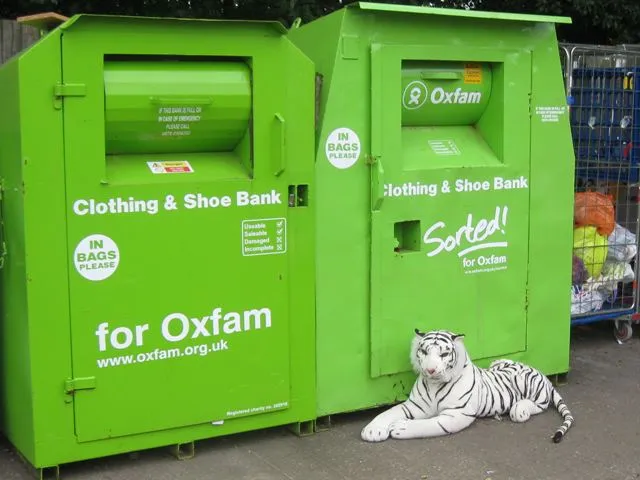
Photo: Chris Reynolds, CC BY-SA 2.0, via Wikimedia Commons
Clearing a parent's home is one of those jobs nobody plans for. It arrives with a set of keys, a stack of post and a house full of memories, and suddenly you're meant to make practical decisions while running on very little sleep. In Enfield, we see this a lot — from Victorian terraces in Palmers Green to post-war semis in Winchmore Hill and flats in Edmonton. The good news is that it can be done calmly, in stages, without a skip blocking the road or a stranger rushing you through the rooms.
Start With the Paperwork, Not the Skip
Before anything leaves the house, find the paperwork. Probate, the will, house deeds, insurance documents and any letters from banks or solicitors all matter. If you're clearing after a bereavement, check whether probate has been granted or whether you're clearing with the executor's agreement. Photograph rooms as they are. It sounds morbid, but it helps with probate queries and gives you a record if family members ask what happened to a particular item.
Also, set aside personal documents, bank statements, passports and anything with account details. These should be shredded or stored securely, not thrown into a clearance van with old bedding.
The Three-Pile Method That Actually Works
Forget trying to sort everything at once. Work one room at a time and use three piles: keep, donate or sell, and clear. The keep pile is for keepsakes, photos, jewellery, letters and anything with real family meaning. The donate or sell pile is for furniture, clothing, books, kitchenware and tools in usable condition. The clear pile is for broken items, stained soft furnishings, old paint tins and general rubbish.
Be honest about condition. A sofa with torn upholstery and a smell of damp is not a donation — it's waste. A working washing machine, however, may be wanted by a local charity or a neighbour. Enfield has several charity shops and reuse schemes, and some furniture charities will collect if items meet fire safety rules.
What to Do With Furniture, Electricals and Clothing
Bulky furniture is often the sticking point. Council bulky waste collections can help with a limited number of items, but they may not take everything and you'll need to book. If you're clearing a whole house, a licensed clearance crew is usually more practical because they can take the lot in one visit and provide the paperwork.
Electricals should never go in the general bin. Small appliances can often be recycled at local recycling centres, and retailers sometimes take old items back. Clothing and textiles can go to charity shops, clothing banks or textile recycling points. Check that charity shops are actually open and accepting donations before you load the car — a boot full of bin bags outside a closed shop is not a donation.
When to Bring In a Licensed Clearance Crew
A licensed crew makes sense when the house is full, the deadline is tight, or you live far from Enfield and can't keep driving back. A good crew will walk through the property with you, agree what stays and what goes, and give you a clear price before starting. They should be able to take furniture, white goods, garden waste and general rubbish, and they should leave the rooms broom-clean.
Ask for their waste carrier licence number and check it on the Environment Agency's public register. A legitimate operator will have an upper-tier waste carrier licence and will provide a waste transfer note. That paperwork matters if you're dealing with probate or a solicitor, and it protects you if waste is later found fly-tipped.
How to Spot a Rogue Trader Before They Cost You
Bereavement makes people vulnerable, and rogue traders know it. Be wary of anyone who knocks on the door offering to clear the house immediately, quotes a very low price, or refuses to give a written quote. Avoid anyone who asks for cash only, cannot show a licence, or wants to start before you've had time to think.
A reputable Enfield clearance company will be happy to wait while you check their licence, will put the price in writing and will explain what happens to your waste. If they promise to 'sort it out' without paperwork, walk away.
The Final Walk-Through
Before the crew leaves, do a final walk-through. Check cupboards, lofts, garden sheds and the back of wardrobes. It's easy to miss a box of letters or a piece of jewellery on a high shelf. Take meter readings, lock up and keep the waste transfer note with the probate paperwork. Then close the door, take a breath and let yourself feel whatever you need to feel. Clearing a house is a practical job, but it's also a goodbye.