Shop-Floor Ready: Sorting an Enfield Clearance So Donations Don't Bounce Back
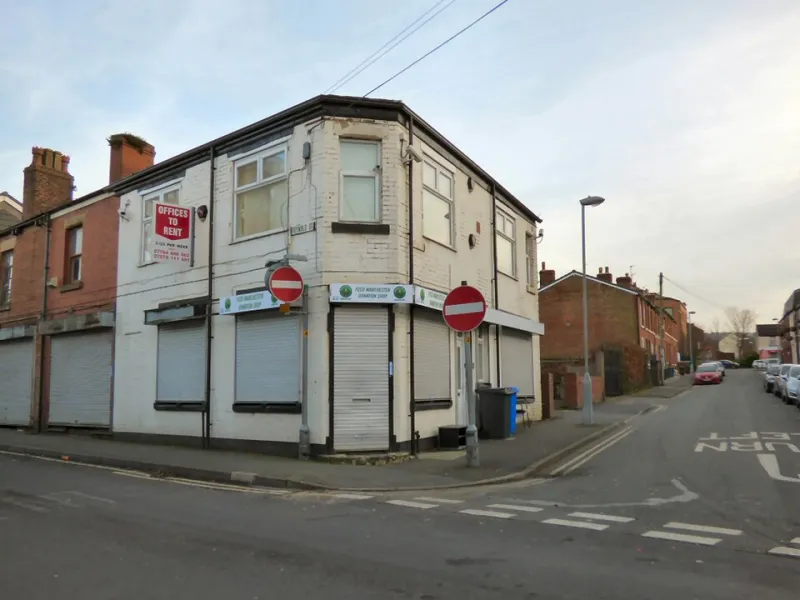
Photo: Gerald England , CC BY-SA 2.0, via Wikimedia Commons
There's a familiar moment in every Enfield clear-out. The van is booked, the hallway is full, and someone has built a optimistic pile by the front door labelled 'charity shop'. Then come the questions. Will they take the sofa? What about the old microwave? And why did the shop refuse three bags of clothes last time?
Charity shops are not free recycling centres. They are shops with limited floor space, volunteer time, insurance rules and safety obligations. Once you understand that, sorting for donation gets much easier. The aim is not to donate everything. It is to donate the things a shop can genuinely sell.
Start with the shop's constraints, not your memories
A charity shop in Palmers Green, Southgate or Winchmore Hill has the same basic problem as any retailer: it needs stock that will move. It also has to follow fire safety rules, electrical safety guidance and hygiene expectations. A sofa without the right fire label is a liability. A dirty mattress is a cost. A box of chipped mugs is a job for the bin, not the window display.
The honest test is simple: would you buy it yourself, in this condition, from a shop? If the answer is no, it is probably not a donation. That sounds blunt, but it saves everyone time — including the volunteers who would otherwise spend their Saturday sorting your 'maybe' pile.
The yes pile: what usually gets taken
Furniture needs to be clean, complete and usable. Small tables, bookcases, chests of drawers, dining chairs and sideboards are often welcome if they are solid and free from damp, mould or pet damage. Upholstered items — sofas, armchairs and some cushions — normally need a fire safety label still attached. Flat-pack furniture should have its fittings. A wobbly bookcase with half its screws missing is a repair project, not stock.
Clothes should be clean, dry and wearable. Bag them up, keep shoes paired, and separate anything stained, ripped or worn out. Most shops want season-appropriate clothing that someone will actually wear. Old underwear and socks are typically refused unless new and packaged.
Bric-a-brac can be brilliant: crockery, glassware, ornaments, books, DVDs, CDs, complete toys and games. The key word is complete. A jigsaw with three pieces missing is not a bargain; it is a refund waiting to happen. Chipped mugs and scratched non-stick pans usually fall below the threshold.
Electricals are the greyest area. Small working appliances, lamps, radios and kitchen gadgets may be accepted, but many shops have limited testing capacity. Bring the plug, cable and instructions if you have them. Anything with a cut plug, frayed lead or missing part is likely to be refused.
The no pile: what gets refused again and again
Some items are almost always turned away, and it is worth knowing this before you fill the car.
- Mattresses and divan bases — hygiene and space mean most shops will not take them.
- Upholstered seating without a fire label — a legal and safety issue, not a matter of taste.
- Broken, incomplete or dirty items — missing parts, cracked casings, missing puzzle pieces, damp books.
- Unsafe electricals — cut plugs, exposed wires, recalled models, very old appliances.
- Baby equipment with safety implications — car seats, cot mattresses, helmets, breast pumps and bottles are usually refused because their history cannot be verified.
- Hazardous waste — paint, chemicals, aerosols, batteries, gas canisters and fluorescent tubes do not belong in a charity bag.
If you would not let a friend use it, do not leave it outside a shop door. That is not donating; it is fly-tipping with extra steps.
The grey area: 'working but...' and 'free to a good home'
Some items sit in the middle. A working but older television, a slightly marked side table, a pram that is clean and complete. Policies vary enormously between charities and even between branches. This is why a phone call or a quick check of the shop's website is worth more than a boot full of guesswork.
Reuse organisations, upcycling groups and local community schemes sometimes take things a standard charity shop cannot. But check first, and never assume a 'free' listing removes your responsibility. If you leave rubbish on a pavement, it is still fly-tipping.
Planning a donation-friendly clearance in Enfield
A practical donation run works best before the clearance crew arrives, not after. Use three zones in your home: shop-ready, repair-or-reuse, and disposal. Keep them separate so nothing gets muddled at the last minute.
Then follow a simple route:
- Ring ahead. Ask what the shop accepts today, whether it collects furniture, and whether it has space. A branch in Edmonton Green may have different limits from one in Cockfosters or Chase Side.
- Bag and box properly. Clothes in sealed bags, bric-a-brac boxed, electricals with cables wrapped separately. Do not overload flimsy bags.
- Avoid peak times. Saturday afternoon is not the moment to arrive with a car full of boxes. Ask when the shop is quietest.
- Keep the route realistic. Two or three shops is plenty. Parking around Enfield's high streets can eat half a day on its own.
- Have a fallback plan. If an item is refused, know where it is going next. A licensed clearance crew can separate reusable items and dispose of the rest responsibly — but ask in advance where the reusable items actually go.
When the pile is bigger than the boot
If the donation pile is large, ask your clearance company how they handle reuse. Some firms work with charities or reuse schemes; others go straight to a transfer station. There is nothing wrong with either route, but you should know which one you are paying for. Ask for a waste transfer note and be wary of anyone who promises to 'sort it out' without saying where.
The charity shop threshold is not there to be difficult. It protects volunteers, customers and the shop's ability to keep the lights on. Sort with that in mind and your donation run becomes what it should be: a quick, useful handover rather than a tour of Enfield's back doors with a car full of rejected bags.