Ripping Out the Bathroom: A Refit Rubble Plan for Enfield Homes
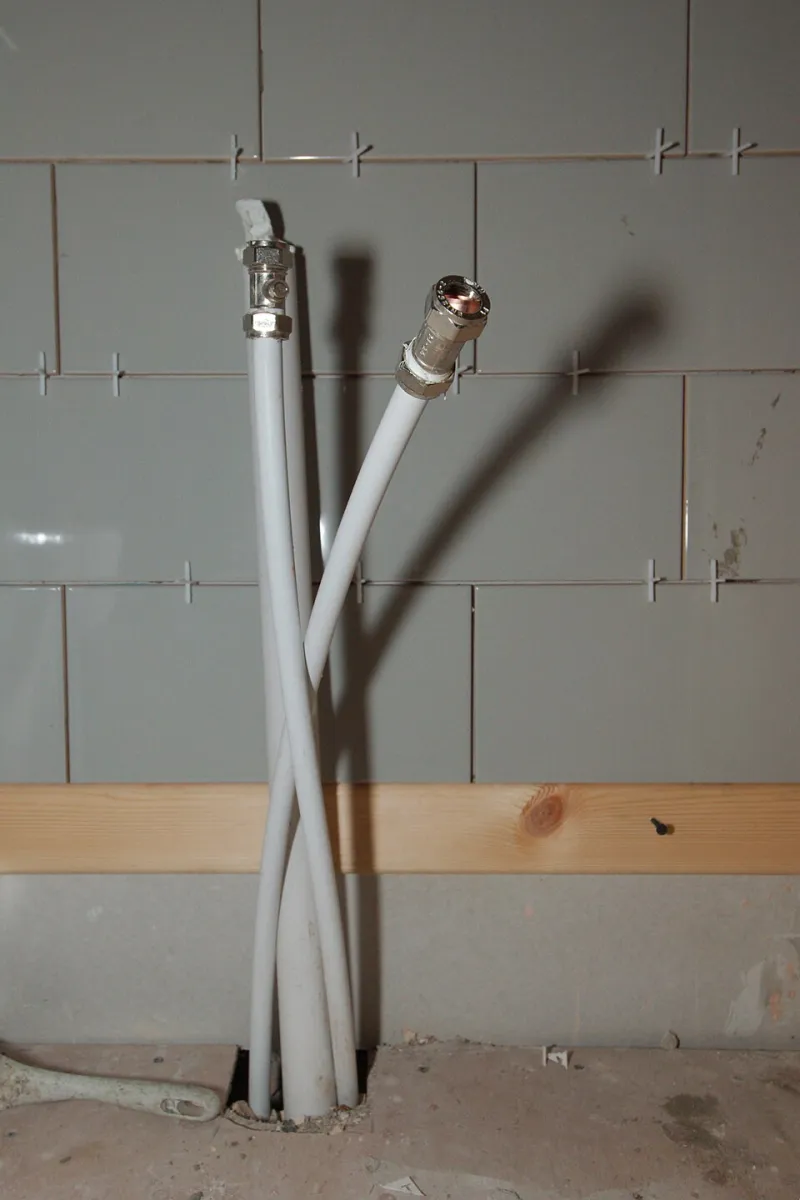
Photo: marsupium photography, CC BY-SA 2.0, via Wikimedia Commons
A bathroom refit has a way of making a small room look enormous — right up until you stand in the hallway surrounded by the old suite, half a wall of tiles and several sheets of plasterboard. The mess is not just bulky. It is heavy, awkward and, in the case of plasterboard, something that needs a bit more thought than a quick trip to the kerbside.
If you are mid-refit in Enfield, or about to start one, this is a practical plan for getting the waste out without turning your front garden into a permanent rubble yard.
First, take an honest inventory
Before you hire anything or bag anything, walk around the pile and separate it into rough groups:
- The old suite — bath, basin, toilet, shower tray, radiators and pipework.
- Tiles and screed — wall tiles, floor tiles, adhesive, grout and any broken concrete or render.
- Plasterboard — offcuts, old ceiling sections and backing boards.
- Sealant tubes and chemicals — silicone cartridges, adhesive tubes, spray cans and anything with a warning label.
- Packaging — cardboard, plastic wrap, polystyrene and pallets from the new suite.
- General rubbish — old bath mats, broken accessories, silicone-covered cloths and the inevitable bin bag of odds and ends.
That sounds fussy, but it makes the next decision much easier: what can go where, and what needs a licensed waste carrier rather than a hopeful stack by the bin store.
Why plasterboard gets its own lane
Plasterboard is not just another bulky item. It contains gypsum, and when it is mixed with general waste it can cause problems at disposal sites. For that reason, it is normally kept separate rather than thrown into a mixed skip or a general rubbish pile.
In practice, that means keeping plasterboard dry, stacking it flat where possible and not snapping it into a thousand dusty pieces just to fit it into bags. It also means checking before you load it into any vehicle. Some recycling centres accept plasterboard in a dedicated area and only in limited quantities; others have different rules or may not take it at all. The rules can change, so check the current position before you set off.
What you should not do is tuck plasterboard into a general waste skip and hope nobody notices. A reputable clearance crew will separate it, and an unlicensed outfit that does not may be leaving you with the problem — and the bill — later.
The weight and access bit nobody mentions
Bathroom waste is deceptively heavy. A few bags of tiles can weigh more than you expect. An old cast-iron bath is a two-person lift at best. Plasterboard is bulky and fragile, and a stack of it in a narrow hallway is a recipe for scuffed walls and a bad back.
Enfield's housing stock does not always make this easy. Terraced streets, flats with shared entryways, tight stairwells and front paths that are shorter than the van might all add time. If you are in a flat, check whether there are stairs, lifts or communal doors that need to be propped open. If you are on a busy road, think about parking and whether the crew can realistically stop close enough to carry everything out.
A simple rule: do not fill bags until they are too heavy to lift safely. Use strong rubble bags or tubs for tiles, keep plasterboard as flat as you can, and clear a route before the heavy lifting starts.
Enfield disposal options in 2026
For Enfield residents, the household recycling centre at Barrowell Green is the obvious first place to check. It can take a range of household waste, but DIY waste is not always treated like ordinary household rubbish. Vehicle restrictions, booking requirements and separate containers for materials such as plasterboard or rubble can all affect whether a trip is worthwhile. Check the council's current 2026 guidance before you load the car.
Enfield Council's bulky waste service is another option for certain household items, but it is not designed for a full bathroom rip-out. DIY waste, building materials and large quantities of tiles or plasterboard usually fall outside what a standard bulky collection will take.
That leaves two realistic routes: a DIY tip run, or a licensed clearance crew. A DIY run can work if you have a suitable vehicle, the quantity is small, you can separate the waste properly and you have checked that the recycling centre will accept it. A licensed crew makes more sense when the pile is large, the access is awkward, the plasterboard is mixed in with everything else, or you simply do not want to spend three weekends hiring vans and queuing at the tip.
DIY tip run or licensed crew?
A DIY trip is not automatically cheaper. Add up van hire, fuel, your time, any permit or booking requirements, and the risk of a wasted journey if the site will not take part of your load. Then add the fact that tiles and plasterboard are heavy and awkward, and the maths can change quickly.
A licensed clearance crew is usually the better fit when:
- the waste is already mixed together;
- you have plasterboard, tiles or rubble in any real quantity;
- the bathroom is upstairs or the hallway is tight;
- you have nowhere sensible to store the waste while you sort it;
- you need the room clear for the fitter, tiler or plumber.
If you go down the crew route, ask where the waste is going and get the waste transfer note. A legitimate operator should be able to explain how plasterboard and other materials are separated. That is not red tape for the sake of it — it is your evidence that the rubbish was handled properly.
A sensible stacking plan for the week of the refit
Keep the waste dry and out of the way. Plasterboard that has been rained on becomes even more awkward. Stack boards flat against a wall rather than leaning them where they can snap. Put tiles and rubble in strong bags or tubs near the door, but not blocking the route. Keep sealant tubes, aerosols and anything with a hazard label apart from the general pile, and check the label before disposing of them. Most empty silicone cartridges are not kerbside recycling, but the safest approach is to follow the product instructions and current council guidance.
Cardboard packaging can be flattened and recycled if it is clean. Polystyrene and plastic wrap usually go in general waste. Old sanitaryware can sometimes be reused or passed on if it is in good condition, but cracked or broken ceramics are usually rubble, not a charity shop donation.
The bottom line
A bathroom refit always produces more waste than you think, and plasterboard is the part most likely to cause a last-minute headache. Sort it early, keep it separate, respect the weight and access realities of your Enfield home, and check the current disposal rules before you commit to a DIY run. If the pile is big or the stairs are narrow, a licensed clearance crew is not a luxury — it is often the difference between a clean finish and a hallway full of rubble for another month.