The Drawer of Doom: Battery Fire Risks Lurking in Enfield Clearances
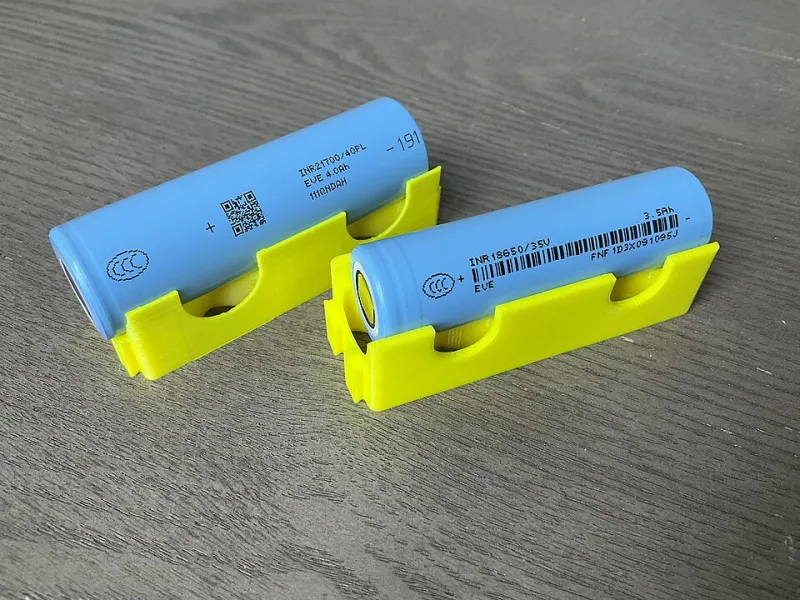
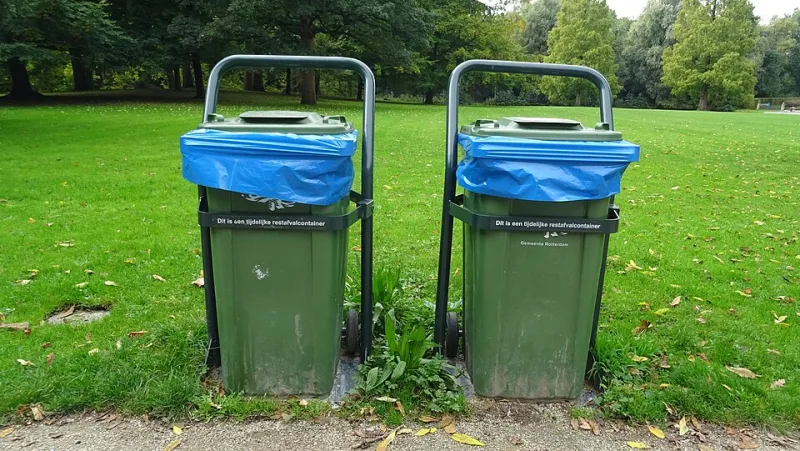
Photo: Sevenethics, CC0, via Wikimedia Commons
Most clearances in Enfield start the same way. You open a loft hatch, a garage door or the drawer that has become a time capsule, and the pile grows. Old remotes, a laptop with a cracked screen, a vape in a coat pocket, a power-tool battery that no longer holds charge. It looks like ordinary clutter. It is not. Many of those items contain lithium-ion cells, and a dead battery is not a done battery. If a cell gets crushed, punctured or short-circuited, it can heat up fast, vent smoke and, in the worst cases, catch fire. In a bin lorry, a clearance van or a pile on a driveway, that is a problem nobody wants.
Why the battery in the bag matters
Lithium-ion batteries are brilliant at storing energy in a small space. That is exactly why they are in so many things. It is also why they are a fire risk when they are treated like general rubbish. A loose battery rolling around with keys, screws or a metal tool can short-circuit. A laptop that gets stepped on in the back of a van can be punctured. A disposable vape, even one that seems empty, still has a cell inside. And an e-bike pack is not a small problem at all: it is a dense block of energy that can go wrong with very little warning.
The trouble is that batteries are brilliant at hiding. They are inside things you would never call electrical: greeting cards that play a tune, LED candles, kids' ride-on cars, electric recliners, garden strimmers, hedge trimmers and even some beds with USB ports. In a busy clearance, it is easy to sweep a remote control into a bag, tip a drawer into a box and forget that the little silver thing inside is a battery. That is when a straightforward job can turn into a smouldering one.
The usual suspects in an Enfield home
Start with the obvious. Vapes, laptops, tablets, phones, e-readers, headphones, Bluetooth speakers, smartwatches, electric toothbrushes, toys and remote controls. Then move on to the garage and shed: power drills, lawnmowers, strimmers, leaf blowers and any spare batteries rattling around in a toolbox. Then think bigger: e-bikes, e-scooters, hoverboards and mobility scooters. If someone in the house has upgraded their phone every two years, there may be a small museum of old handsets in a bedside drawer.
In Enfield, this plays out in different ways. A garage in Cockfosters might hold a decade of power tools and their batteries. A spare room in Palmers Green might have three generations of phones and a box of mystery chargers. A shed in Winchmore Hill might hide a strimmer battery that has not been used since the last decent summer. None of it is unusual. All of it needs a quick battery check before the clearance crew arrives.
A ten-minute battery sweep
You do not need to be an electrician to make a clearance safer. You just need to be nosy for ten minutes. Walk the pile before it goes anywhere. Open drawers, check under furniture, look inside bags and coat pockets, and unclip batteries from tools where you can. Put loose batteries in a rigid box or tub, not a carrier bag. Tape the terminals with clear tape so they cannot touch each other or anything metal. Keep vapes separate and do not crush them. If a laptop or phone battery is swollen, hot or hissing, do not charge it, do not puncture it and keep it away from anything flammable. Contact the recycling centre or a specialist before you move it.
It also helps to label the box. A strip of masking tape with BATTERIES written on it is enough. When the crew arrives, they can see what they are dealing with instead of finding out halfway through loading the van.
Where to take them in Enfield
Loose batteries and small electricals should never go in your wheelie bin. Enfield's recycling centre at Barrowell Green accepts batteries and small electrical items, but check Enfield Council's website before you go, as rules and opening times can change. Many supermarkets and electrical retailers also have battery collection tubs near the entrance. Some vape shops and larger retailers have dedicated vape bins, but it is worth asking first. For e-bike packs and other large batteries, do not drop them into a standard household battery bin. Ask the retailer, the manufacturer or a specialist recycler for the right route.
The main rule is simple: if it has a battery, a charging port or a plug, it is not general rubbish. It needs a separate trip or a separate box.
What to tell your removal crew
Be upfront before the job is booked. Say there are batteries in the load. Say whether you have removed the loose ones. Point out anything with a built-in battery that cannot be taken out, such as an old e-bike pack, a hoverboard or a sealed laptop. Ask how the crew handles batteries and where they take them. A reputable licensed waste carrier will separate batteries, store them safely and send them to the right recycling point. If someone says they will just bag it with everything else, treat that as a warning sign.
At Enfield Rubbish Removals, we would much rather hear about a box of old batteries before we arrive than find one leaking smoke in the back of the van. It is a two-minute conversation that protects your home, your street and the people doing the lifting.
The cost of a smouldering surprise
A battery fire is not a small inconvenience. It can damage a van, close a recycling facility, put a crew at risk and turn a cheap clearance into an expensive mess. It can also happen quietly. A damaged cell might sit in a bag for an hour before it heats up. By then, the van could be moving, the lorry could be compacting, or the pile could be stacked against a garage wall.
So before your next clearance in Enfield, do the drawer of doom a favour. Empty it, check it, tape the loose cells and tell the crew what is there. A dead battery is still a live risk. Treat it that way, and the rest of the job stays boring, which is exactly what you want.