The Pre-Clearance Pause: Asbestos Awareness for Older Enfield Homes
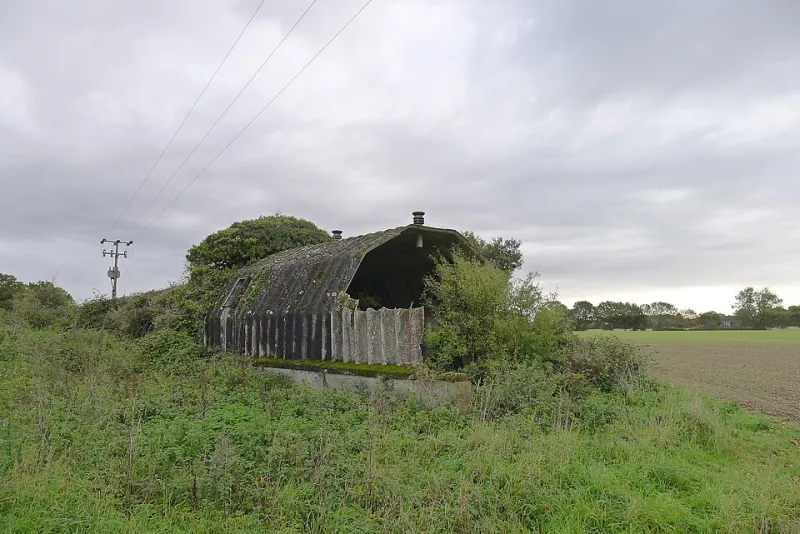
Photo: Tim Heaton , CC BY-SA 2.0, via Wikimedia Commons
Enfield is not short of older housing stock. Victorian terraces, 1930s semis and post-war estates all have their charms, but they also have a habit of holding on to materials that were perfectly normal when they went in. Asbestos is one of them. It is not lurking behind every cupboard door, and it is not a reason to cancel the clearance van. It is, however, a very good reason to pause before someone puts a boot through a garage ceiling or drags a length of old pipe lagging across the drive.
Where asbestos tends to turn up in Enfield clearances
Asbestos was used in a huge range of building products before the rules tightened, and it did not disappear overnight. In homes and outbuildings across Enfield, the usual suspects include:
- Corrugated cement garage roofs and outbuilding walls, especially the grey, slightly fibrous sheets that have weathered over decades.
- Textured ceiling coatings, often called Artex, particularly in rooms decorated before the late 1990s.
- Pipe lagging around old heating systems and boiler flues. Lagging can be friable, which means it crumbles rather than snaps, and that is when fibres become airborne.
- Old floor tiles, bath panels, soffits and fuse boards. Not every example contains asbestos, but enough do to make a visual check worthwhile.
- Gutters, downpipes and cement flue pipes on older properties.
This is not a complete list. The point is not to turn every homeowner into a surveyor. The point is to recognise that a clearance in an older Enfield property is not the same as emptying a modern flat. The garage you are about to fill with broken furniture may have a roof that should not be touched without a plan.
The legal bit, without the jargon
For householders, the rules can feel fuzzy. The Control of Asbestos Regulations 2012 place duties on people who manage or work on non-domestic premises, and on contractors carrying out work. A homeowner does not have a duty to manage asbestos in the same way a shop owner does, but that does not mean anything goes. If you bring a clearance crew, a builder or a gardener onto your property, you have a responsibility not to expose them to a hazard you could reasonably have known about.
The bigger practical issue is waste. Asbestos-containing material is classed as hazardous waste. It cannot go in a normal skip, it cannot be left out for the bulky waste collection, and it certainly cannot be tipped in a lay-by near the M25. It has to be handled, bagged, transported and disposed of through the correct channels, with the right paperwork. A legitimate clearance firm will know this. A cheap operator who says “we’ll just stick it in with the rest” is telling you exactly what kind of firm they are.
Why “it’s just a garage roof” is the wrong starting point
Garage roofs are one of the most common asbestos finds in Enfield, and one of the most commonly underestimated. A cement roof in good condition may pose a low risk if left alone. But a clearance often involves exactly the kind of activity that damages it: pushing heavy items against it, dragging a ladder across it, or breaking sheets to get them into a van. Once a cement sheet is cracked or snapped, fibres can be released. It is not the moment to improvise.
The same goes for textured ceilings. A water stain or a hairline crack does not automatically mean danger, but sanding, scraping or smashing the ceiling during a strip-out can turn a stable coating into a dust problem. If a clearance involves removing ceiling sections, old pipework or a whole garage roof, the asbestos question should come before the demolition question.
What a responsible clearance team actually does
A good clearance company will not pretend to be an asbestos surveyor. It will also not ignore the issue. The sensible sequence looks like this:
- Ask questions before the visit. How old is the property? What is being removed? Has any asbestos been identified before? Is there a garage, outbuilding or old boiler involved?
- Look, but do not disturb. A visual check can flag likely asbestos-containing materials. It cannot confirm them. Only a sample tested by a UKAS-accredited laboratory can do that.
- Stop if something looks suspect. The crew should isolate the area, keep people out and avoid any further disturbance.
- Bring in the right specialist. If testing confirms asbestos, the work may need a licensed asbestos contractor. Some lower-risk materials, such as intact cement sheets, can be handled by trained operatives under controlled conditions, but that is a decision for a competent person, not a guess.
- Provide the paper trail. That means waste transfer notes, consignment notes where required, and a clear explanation of where the material went.
A clearance firm that coordinates this process is worth more than one that simply quotes the lowest price and hopes for the best. The cost of getting it wrong is not just financial. It is the sort of thing that can affect a family for decades.
Planning your Enfield clearance around a possible find
If you suspect asbestos, build a little slack into your timetable. Testing takes time. Removal, if needed, takes more. Do not book a skip for the whole job and assume the asbestos can go in the bottom of it. Ask the clearance company what happens if they find something unexpected: will they pause, who pays for testing, and what does the quote actually cover?
Also check the basics. Ask for a waste carrier licence number. Ask for public liability insurance. Ask where the waste will be taken. These are not awkward questions. They are the questions that separate a professional clearance from a man with a van and a vague promise.
The bottom line
Asbestos awareness is not about scaremongering. It is about sequencing. Check before you clear. Ask before you break. Keep the paperwork. If a clearance in an older Enfield home turns up something suspicious, the right response is a measured pause, not a sledgehammer. That pause is what keeps a straightforward job from becoming a very expensive lesson.