Cold, Heavy and Awkward: A 2026 Route for Old Appliances in Enfield
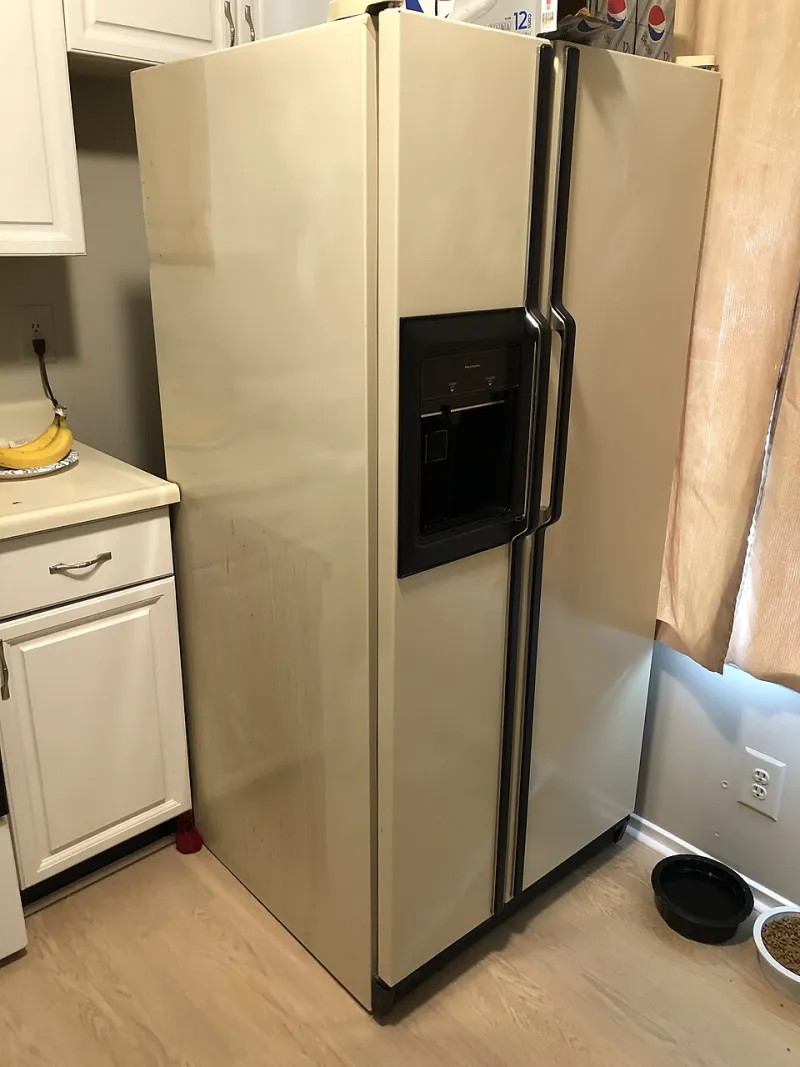
Photo: Famartin, CC BY-SA 4.0, via Wikimedia Commons
A dead fridge in the hallway has a way of making a home feel smaller. It is too big for the bin, too heavy to wrestle into a car, and too likely to fall over on the stairs. In Enfield, the temptation is to leave it out front with a hopeful note. That is not a clearance plan; it is fly-tipping waiting to happen.
Large appliances are not ordinary bulky waste. They are electricals, and some of them carry gases that need proper handling. The good news is that there are three sensible routes in 2026: retailer take-back, the council’s bulky waste service, or a licensed clearance crew. The trick is knowing which one fits your appliance, your access and your timetable.
First, the bit people skip: WEEE is not normal rubbish
Fridges, freezers, washing machines, dishwashers, tumble dryers and cookers all count as waste electrical and electronic equipment — usually shortened to WEEE. They should not go in your household bin, and they should not be left on the pavement for anyone to deal with.
Fridges and freezers are in a category of their own. They contain refrigerant gases and insulating foam that can release harmful substances if the unit is simply crushed or dumped. Proper recycling means degassing and separating the materials at a permitted facility. A washing machine is also WEEE, but it is mostly metal, plastic and a heavy concrete weight; a fridge is the one that needs specialist treatment. That difference matters when someone offers to take it away for a tenner.
Retailer take-back: the quiet free option
If you are buying a new appliance, ask about take-back before you pay. Under UK WEEE rules, large retailers — generally those with a sales area of at least 400 square metres — must offer free take-back of household electricals on a one-for-one basis. If they are delivering a new large appliance, they should also offer to collect the old one.
Online sellers have obligations too, so it is worth asking even if the van is coming from a warehouse rather than a shop. The key word is “one-for-one”: you are usually handing over a similar old item when the new one arrives. A fridge delivery is not a free pass to clear the whole garage.
Before delivery day, empty and defrost the old unit, disconnect it safely, and confirm where the crew will collect it from. If the old appliance is in a basement or up a narrow staircase, mention that when you book. Take-back is a good deal, but it works best when the logistics are agreed in advance.
Council bulky waste: useful, but not a bottomless pit
Enfield Council runs a bulky waste collection service, and large appliances are often included. It is a sensible option for one or two items at a normal kerbside property. It is not an unlimited clearance service, though. There are usually item limits, fees and booking requirements, and the collection point has to be accessible.
Check the current rules before you book. Ask specifically whether fridges and freezers are accepted, what the item limit is, and how the appliance should be presented. Do not put anything out days early “to be ready” — on a terraced Enfield street, that can look like fly-tipping and may be treated as such. If you are a landlord clearing a whole property, the council limit will probably not stretch to several appliances plus furniture, so plan a mixed route or a licensed crew.
Why the cheap van is the expensive mistake
A man with a van can be perfectly legitimate. He can also be a bloke with a Transit and no waste carrier registration. The difference matters because your duty of care does not disappear when the fridge leaves your driveway.
Ask any remover for their waste carrier registration and check it on the Environment Agency’s public register. Ask where the appliances will be taken and what will happen to them. A proper operator should be able to give you a waste transfer note or similar paperwork. If the answer is vague, the price is suspiciously low, or they want cash with no record, walk away. A fly-tipped fridge in an Enfield alley can come back to the householder who paid for its removal.
Before collection day: a householder’s checklist
- Empty the appliance completely. Food, washing powder and odd socks all add weight and smell.
- Defrost fridges and freezers, then clean and dry them. Bag up any loose ice or food waste.
- Disconnect water and electricity safely. For washing machines, drain the hose and secure the drum if you can.
- Remove or tape fridge and freezer doors as instructed. Doors left on an abandoned unit are a safety risk.
- Measure the route. Narrow halls, sharp corners, garden gates and basement steps change the job.
- Clear a path and protect floors where possible. Crews can move appliances, but they cannot levitate them.
- Check parking and access. In parts of Enfield Town, Edmonton or Palmers Green, a permit or a short carry may be needed.
- Confirm the collection window, the price and exactly what is included.
- Keep the paperwork. Landlords should file it with the inventory or clearance record.
A note for landlords and tenants
If you are replacing an appliance in a rental, establish whose appliance it is before it goes out the door. A tenant’s washing machine is not the landlord’s to clear without agreement. If a property is being emptied after a tenancy ends, keep a record of what was removed and who took it. Commercial appliances from Enfield businesses are a different job again — they are not household bulky waste, and they need a commercial clearance route.
The bottom line
A fridge is not just a heavy box; it is regulated waste. If you are buying new, use retailer take-back. If you have one or two items and the council service fits, book it properly. If you have several appliances, awkward access or a deadline, use a licensed crew and check the paperwork. In 2026, the cheapest legal route is rarely the cheapest quote — but it is the one that keeps your old freezer out of a Enfield back lane and your conscience clear.