The Glass Room Full of 'Later': Clearing an Enfield Conservatory in 2026

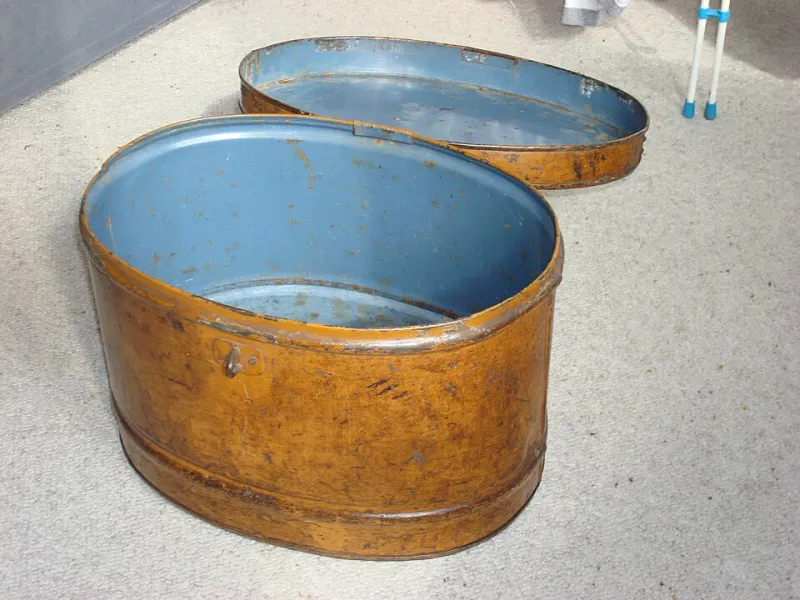
Photo: Elliott Brown from Birmingham, United Kingdom, CC BY-SA 2.0, via Wikimedia Commons
Conservatories in Enfield have a habit of changing job title. One summer they're the bright spot where the dog sleeps and someone reads the paper. A few winters later they're the place where the old sofa goes 'for now', the treadmill becomes a coat rack, and there are three boxes labelled Christmas, paperwork and car boot. By the time you notice, the room is too hot in July, too cold in January and too full to use at all.
That's not a failure of willpower. It's a storage problem wearing a glass roof. In 2026, with plenty of Enfield households tightening budgets and using every square foot, clearing the conservatory can add genuine living space without an extension. The trick is to treat it like a small clearance project, not a vague weekend tidy.
Start with why the room stopped working
Before hauling anything out, ask what made it unusable. Heat? Damp? Awkward access? A conservatory that bakes in summer can warp plastic, fade fabric and make cardboard go soft. A leaky roof panel or failed seal can leave cushions and rugs smelling musty. If damp is active, don't just move the contents into the house — sort and dry the space first, or you'll relocate the problem.
Make three quick zones: definitely rubbish, possibly useful, and needs a decision. For the last pile, set a deadline. 'I'll deal with it in the new year' is how the room got here.
Heat, damp and the things that won't bounce back
Conservatory conditions are brutal on certain items. Particleboard furniture that has swollen from damp is usually beyond saving. Sofas and mattresses that have been cooked and then chilled can harbour mould; if there's a musty smell through the cushions, a charity shop won't want them and you shouldn't sleep on them. Exercise bikes and treadmills with rusted bolts may still be sellable, but be honest about condition.
Paper is a separate issue. Boxes of photos and documents that have gone wavy or spotted with mould need sorting carefully. Keep what matters, photograph anything you're unsure about, and recycle the rest through your normal paper recycling if it's not contaminated. For damp-affected soft furnishings, check with Enfield's reuse and recycling centre or a licensed clearance crew about the right route.
Donate what can travel, recycle what can't
The conservatory often contains a second home's worth of stuff: a spare dining set, a tumble dryer, kids' toys, gym gear, garden cushions. Before booking anything, split it into donation, recycling and waste.
Charity shops in and around Enfield are understandably picky. They need clean, saleable items with fire labels on furniture and no missing parts. Bulky donations may need to be dropped off, so check opening hours and whether they take furniture that day. For metals, old bikes and appliances can often be recycled through a licensed waste carrier or the local household waste site. Garden pots, plastic furniture and broken toys are usually waste, not donations.
The mistake is leaving bags on the patio 'for the charity run'. One rainy night later, they're wet, split and unusable. Keep donation items indoors and labelled until they're actually going.
The access question: narrow paths, side gates and neighbours
Enfield conservatories are often at the back of the house, down a side return or through a kitchen. Measure the narrowest point before you promise a crew anything. A standard sofa may not fit round a tight corner, even if it came in once. Doors, steps and gravel paths all slow the job down.
If the only route is through a neighbour's garden or across a shared driveway, ask first and be specific about dates and times. A quick note through the door is better than a crew turning up and surprising someone. For flats and shared access, check whether there's a rear alley or a gate that needs unlocking.
Parking matters too. A clearance van needs to get reasonably close, and in some Enfield streets that means checking permit zones, yellow lines and bin day. The last thing you want is a pile of old furniture on the patio because the van can't stop.
Skip or crew? Match the job to the tool
A skip can work for a straightforward conservatory clear-out if you have legal space on a driveway and the contents are mostly bulky waste. But skips have limits: you usually can't put electricals, hazardous waste or certain DIY materials in them, and you need a permit if the skip sits on the road. Filling it yourself is fine until you're lifting a wet sofa alone.
A licensed crew is often better for conservatories because the route is awkward, the waste is mixed and you want it gone in one visit. Ask for a waste carrier registration number, a written quote and where the rubbish will go. A legitimate operator will be happy to explain. A cheap van that offers to 'sort it later' is a risk you don't need.
A realistic order of work
Start at the door and work inwards. Clear the floor first so you can see the space. Remove anything obviously damp, broken or hazardous. Then sort furniture, exercise equipment and boxes. Label donations and keep them dry. Sweep and check for leaks or damaged seals before you decide whether the room is usable again.
If the conservatory is going to become a proper room, this is also the moment to think about blinds, ventilation or a dehumidifier. Clearing it without fixing the cause just resets the clock.
The patio pile-up trap
One last local quirk: don't let the clearance migrate outdoors. In Enfield, a patio full of bags and broken furniture is a fly-tipping risk and a neighbourly irritation. Book the collection for the day you sort, or keep waste contained until the crew arrives. If you're using a skip, don't overfill it and don't leave it blocking a shared path.
A conservatory should earn its keep. With a clear plan, a few honest decisions and the right waste route, the glass room can stop being a cupboard with windows and start being useful again — even in a British summer.