The Freebie That Ate Your Weekend: When Giving Stuff Away Costs More Than Clearing It
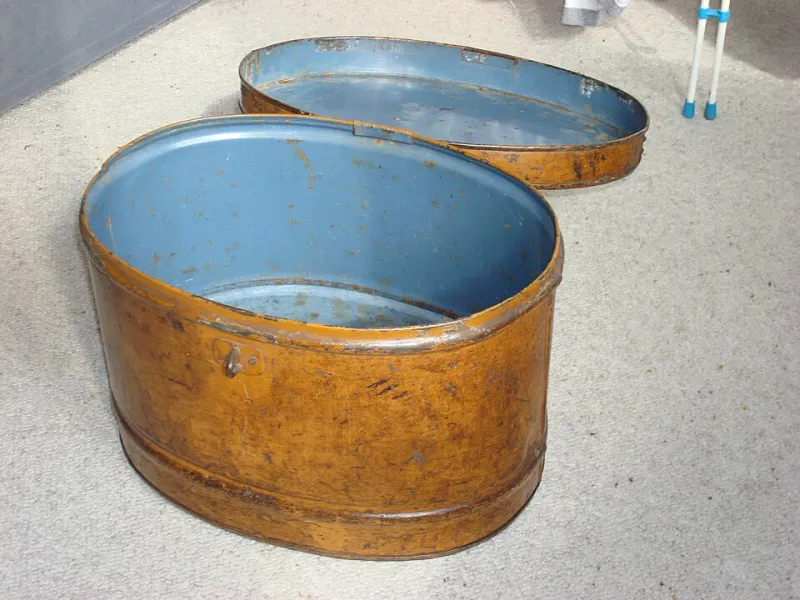
Photo: Oxyman, CC BY 2.5, via Wikimedia Commons
There is a particular kind of optimism that kicks in when you decide to sell or give away the contents of a spare room before a clearance. You picture a neat queue of grateful strangers, a few notes in your pocket and a smug feeling about keeping things out of landfill. Then the messages start. Can you hold it till Friday? Will you take £3 instead of £5? I am on my way — followed by silence. By Sunday evening, the sofa is still in the hall and you have lost a weekend to someone else's unreliable mate with a van.
That is the 'free to a good home' gamble. It can work. It can also turn a straightforward clearance into a drawn-out side project. The trick is knowing which items deserve a listing and when to stop refreshing your inbox.
The maths nobody puts in the advert
Selling and giving away unwanted items looks free because no money changes hands for the listing. The cost is time. Every enquiry needs a reply, every collection needs a window, and every no-show burns an afternoon you could have spent doing something else. If you spend six hours photographing, messaging and waiting around to earn £20, that is not a great hourly rate. If you spend the same six hours trying to shift a wardrobe nobody wants, it is worse.
There is also the emotional cost of the hokey-cokey. You move a heavy item to the front door, then back again. You rearrange your day around a stranger's vague promise. You field questions about dimensions you have already measured twice. None of this appears in the listing, but it is very real when you are trying to clear a house in Enfield before a deadline.
Small wins are still wins — if you choose carefully
Some things are worth a listing. A decent bicycle, a working fridge-freezer, a solid chest of drawers and branded power tools will usually attract genuine buyers. So will baby equipment in good condition, garden tools and anything that is easy to carry and easy to price. These are the items where a quick sale can offset the cost of a clearance and keep something useful in circulation.
Other things are not worth the effort. Old mattresses, broken flat-pack furniture, part-used paint, cracked garden pots and anything that needs a van, two people and a prayer are rarely worth the messages. The 'might come in handy' pile is a particular trap. If you would not pay £5 for it yourself, the odds are nobody else will either. Charity shops are often more realistic for clean clothing, books and small household goods, but they can refuse bulky items, electricals and anything that needs testing. Always ring ahead rather than turning up with a car full of maybes.
The Enfield no-show circuit
Local geography matters more than people admit. A buyer in Palmers Green may not fancy driving to Edmonton for a free bookcase when parking is awkward and the stairs are steep. Someone in Winchmore Hill might say yes to a collection in Southgate and then realise their hatchback will not swallow it. Near Enfield Town, the double-parking situation can turn a five-minute pickup into a twenty-minute negotiation with a traffic warden.
The weather does not help. A wet Saturday reduces the number of people willing to collect a garden table, and a hot Sunday makes everyone promise to come 'first thing' before disappearing until teatime. If you are clearing an upstairs flat or a house with narrow stairs, say so in the listing. Being upfront about access saves everyone a wasted trip.
Strangers at the door and the safety bit
Selling locally is usually fine, but it is still worth using common sense. Meet buyers at the door rather than inviting them through the house. Keep cash transactions simple and do not share more personal details than necessary. If someone asks to collect after dark, ask them to come back in daylight or arrange a doorstep handover. For free items, be clear that it is collection only and that you will not deliver. A surprising number of people assume 'free' includes a courier service.
If you are clearing a parent's home or a rental property, be extra careful about paperwork, keys and anything that could identify the previous occupant. A quick check of drawers and boxes before the listing goes live is worth the effort.
Set a cut-off date before you start
The single best thing you can do is decide, in advance, when the selling stops. Pick a date and put it in the calendar: for example, 'last collection Sunday 22 November, anything left goes to the clearance crew on Monday'. Then work backwards. List the good stuff first. Batch your replies. Offer a two-hour collection window rather than all-day availability. If someone does not confirm a time, move on.
A cut-off date also protects you from the sunk-cost feeling. Once the deadline passes, you stop refreshing Marketplace and start planning the clearance. That is not a failure. It is a decision. The items have already had their chance.
When letting a licensed crew take the lot is smarter
There comes a point when the pile stops being a collection of individual items and becomes a clearance job. That point is usually when you have more than a few bulky things, when access is awkward, or when the deadline is close. A licensed waste carrier can take mixed loads, sort them for reuse and recycling where possible, and provide the paperwork that shows the waste was handled properly. That matters for duty of care. If a cheap van takes your rubbish and tips it in a lay-by, you can still be the one answering awkward questions.
At Enfield Rubbish Removals, we work across the borough and see this every week: a hallway full of freebies that never found a home, a garage of 'someone will want that' and a seller who has run out of weekends. The honest answer is that giving things away is worth trying for the easy wins. It is not worth sacrificing every Saturday to a stranger who may or may not turn up.
So list the bike, the drawers and the decent tools. Price them sensibly, set a firm cut-off and keep your front door clear. Then let the rest go. Your weekend is worth more than the fiver you might have haggled for.