Rag, Wear or Rehome: Sorting an Enfield Wardrobe Without Filling a Skip With Coats
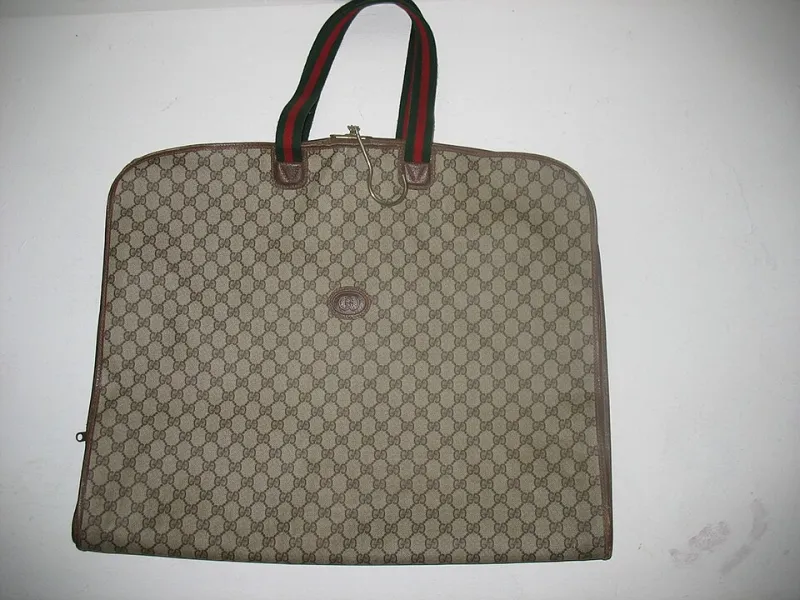
Photo: Housing Works Thrift Shops from New York, NY, USA, CC BY-SA 2.0, via Wikimedia Commons
There's a particular kind of Enfield wardrobe — the one in the spare room of a 1930s semi in Southgate, with a rail that hasn't been fully visible since about 2013. Under it: four pairs of boots, a bag of baby clothes somebody meant to pass on, two coats on the floor because the hooks gave up, and a suit that fitted for one wedding.
Clearing it is easy. Clearing it well is the bit that takes a decision or two.
Sort by Wearability, Not by Memory
Start with three bags and a floor space, not a skip.
- Wear. Things that fit you now, this season, and you'd actually put on.
- Rehome. Clean, wearable, complete, someone else will genuinely want it.
- Rag. Stained, holey, split seams, missing buttons, single shoes, unidentifiable fabric.
The trap is the fourth pile everyone invents: 'when I lose a bit of weight', 'for gardening', 'might come back into fashion'. Give that pile a hard limit — one bag, one box, decided in ten seconds an item. If everything is a maybe, nothing has been sorted.
A useful test: if you wouldn't buy it again at a car boot sale for two pounds, it's not a keeper.
What Charity Shops Actually Take
Shops in Palmers Green, Winchmore Hill and Enfield Town are doing you a favour by taking stock at all, and their storage is tiny. What they want:
- Clean, dry, wearable clothing in season.
- Paired shoes with laces tied together.
- Coats and jackets with working zips.
- Good-quality accessories, bags, belts, scarves.
What they generally won't take, or will quietly bin:
- Underwear and socks, unless new and packaged.
- Anything with holes, heavy pilling, stains or pet hair.
- Single shoes, and shoes with worn-through soles.
- Duvets, pillows and cushions in most cases — ring ahead, it varies.
- Anything that smells of damp, smoke or mothballs.
And a practical one: don't drop bags outside a closed shop. It gets wet, it gets picked through, and it costs the charity money to dispose of. Go during opening hours, and ask before you unload six bags onto a volunteer.
Textile Banks and What Happens Next
The clothing banks in supermarket car parks and at the recycling centre take a broader range than shops do. Wearable items get sorted for resale in the UK or abroad; the rest goes to wiping cloths, insulation and filling.
Two things make the difference between a useful donation and a wasted one:
- Bag it properly. A tied carrier bag or a proper textile sack, not a split bin bag that empties across the car park.
- Keep pairs together. Tie shoes by the laces or elastic-band them. A single shoe is worthless to everybody.
Damp Is the Dealbreaker
One damp jumper in a bag of twenty good ones can turn the whole lot musty, and musty clothing doesn't sell. It goes to rag, or worse, to waste.
If clothes have been in a garage, a loft or against a cold external wall, check them properly. Mildew shows as small black specks and a smell you notice before you see. Mouldy textiles go in the rag pile, not the donation bag. If the damp is widespread, that's a fabric problem to solve before you rehang anything in that room.
Shoes: The Pairing Problem
Shoes cause more rejection than anything else in a wardrobe clear. Before they go in the rehome bag:
- Both shoes present. Check the back of the cupboard, they hide.
- Laces in, or replaced.
- Soles intact, no split at the heel.
- Clean — a wipe with a cloth takes a minute and doubles the chance of resale.
Sports shoes with worn tread, school shoes with scuffed-through toes and anything with a broken zip go to rag or the bin, not the charity shop.
The Awkward Categories
Coats. The most valuable donation you own and the one most often wasted. Clean, dry, all buttons present — a good winter coat will be on a rail and sold within a week.
Suits and formalwear. Some charities run dedicated interview-dress schemes. Worth a search before you bag it.
Duvets and bedding. Usually not accepted by shops, sometimes taken by animal rescues. Ring first.
Curtains. Rarely wanted unless lined and clean. Check with the shop.
Workwear with logos. Rag.
A Plan That Leaves the Room Usable
Do it in three passes, not one marathon.
Pass one: everything out of the wardrobe and onto the bed. Yes, all of it. You cannot sort a rail you can't see.
Pass two: sort into the three bags. Label them with a marker — a black bag labelled 'rag' versus a black bag labelled 'rehome' saves an argument later.
Pass three: the rehome bags go in the car boot the same day. Not the hallway. The hallway is where donations go to die.
Then wipe the rail, check the back wall for damp, and put back only what you kept. If the rail ends up half empty, that's the room working again.
Getting It Out of the House
If the rehome pile is bigger than a boot load, or the rag pile is genuinely a van's worth after a bereavement or a house move, a licensed clearance is usually the calmer option. Ask where textiles go — a good answer includes charity shops and textile reprocessing, not just 'the tip'. And get a waste transfer note.
One last thing. Leave a bag by the door for the next few weeks. Anything you put on and immediately want to take off again belongs in it.