The First Look Sells It: Clearing an Enfield Home Before Photos and Viewings

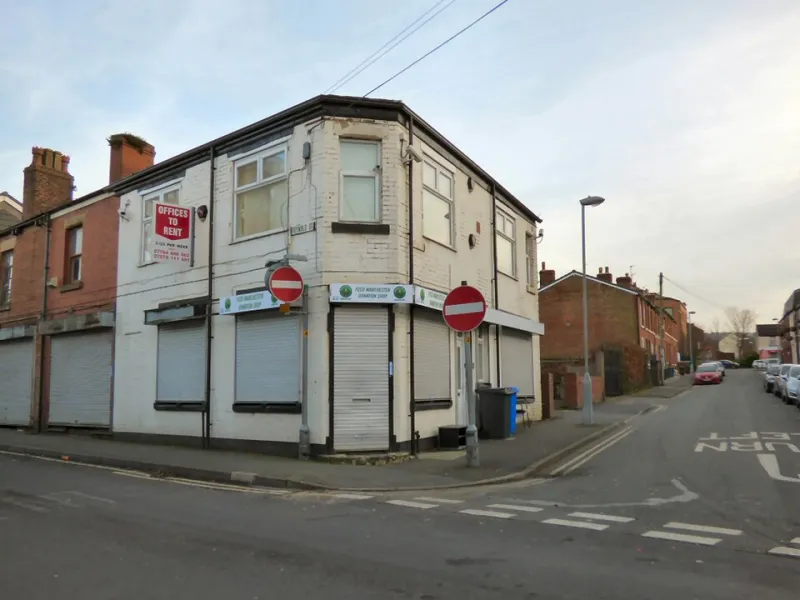
Photo: John Goldsmith , CC BY-SA 2.0, via Wikimedia Commons
Selling a home in Enfield is rarely just a paperwork exercise. Before the listing goes live, there is a wide-angle lens, a stream of viewers and eventually a surveyor to think about. The house needs to look cared for, not stripped bare, and that balance starts with a sensible clearance plan.
The camera sees more than you do
Estate-agent photography is designed to make rooms look bigger, but it also makes clutter look louder. A pile of post on the hall table, a bin bag by the side gate or a tangle of cables behind the television can become the thing a buyer remembers. Before you book a photographer, walk through each room with your phone camera and take a few honest snaps. The images will show you what a stranger sees first.
Start in the hallway. It is the opening shot for many listings and the first physical space a viewer enters. Shoes, coats, buggies and unopened boxes should be dealt with before photo day, not hidden in a cupboard that will be opened during a viewing.
What to clear before the photographer arrives
You do not need an empty house. You do need a house that reads as spacious and looked after. A clearance before photography should focus on the bulky, broken and out-of-place items that distract the eye.
- Broken or outgrown furniture, including sagging sofas, chipped wardrobes and stools nobody trusts.
- Boxes, bags, laundry baskets and exercise equipment that have drifted into living spaces.
- Kitchen worktops crowded with small appliances, jars, paperwork and washing-up.
- Bathroom surfaces covered in toiletries. Keep a tidy set of towels, but lose the daily clutter.
- Front gardens and side returns with broken pots, bags of compost, toys or leftover building materials.
- Lofts, sheds and garages that block access or suggest a house with too much storage pressure.
The last point matters more than sellers sometimes realise. Buyers in Enfield often ask about loft access and shed space, especially in terraced streets and semis where storage is at a premium. If either area is packed to the rafters, clear it early enough that you are not rushing it the week of viewings.
Clear the clutter, keep the staging
There is a difference between clearing rubbish and emptying a home of its warmth. A few well-chosen pieces help buyers imagine living there. Keep beds made, a sofa in the living room, a dining table with chairs and a lamp or two that make the space feel liveable. Mirrors, plants and neutral textiles can stay if they are clean and not personal.
What should go? Family photos, fridge magnets, school artwork, political posters and anything that makes the house feel like somebody else's private space. Buyers should be able to picture themselves in the room, not feel like they are intruding on yours.
Don't clear what is included in the sale
This is where enthusiasm can backfire. Built-in wardrobes, kitchen units, the boiler, radiators, bathroom suites and fitted shelves may be part of the sale. Removing them without agreement creates a headache and a question mark over what else might disappear before completion. Check the fixtures and fittings form with your solicitor and estate agent, and if you plan to take something, disclose it early.
Garden sheds, greenhouse frames and even some plants can be listed as included or excluded. A clearance crew should never be asked to remove fixtures on a whim. Mark what stays, mark what goes and keep the two lists away from each other.
Front gardens and bins: the rushed-exit look
Enfield buyers notice the front of a house before they notice the hallway. An overfull bin, a stack of flattened cardboard or a fly-tipped mattress by the wall suggests a rushed exit or a neighbourly problem. Neither helps your sale.
Keep bins neat and lids closed. Do not cram extra bags into household bins, and do not leave bulky items out for the council to find. If your clearance generates waste, use a licensed waste carrier and keep the waste transfer note. A cheap van that promises to 'take it away' is not worth the risk to your sale or your duty of care.
Sweep the path, clear the doorstep and make sure the bin area is not the first thing a viewer photographs on their phone. Small front-garden jobs often take less time than sellers expect, but they make a noticeable difference.
Timing the clearance around photos, surveys and completion
A good clearance is booked around the sale milestones, not squeezed into moving week.
Before photography: Clear bulky junk, broken furniture and garden waste one to two days before the photographer arrives. Keep bins out of shot and surfaces simple.
During viewings: Do not book a clearance while viewers are due. The noise, the van and the pile of belongings on the pavement all send the wrong message. Keep the house calm and easy to walk through.
Before the survey: Clear access to the loft hatch, boiler, meter cupboard and side return. Surveyors need to look, not climb over boxes. If you have cleared the loft, do it before this point rather than after.
Before completion: The house should be empty unless your contract says otherwise. Book the final clearance a few days ahead, not on the morning of completion. Chains move, keys get delayed and vans get stuck in Enfield traffic. Leave yourself room to breathe.
A simple Enfield viewing-day clearance plan
Four weeks before listing, sort room by room and book a licensed clearance for the bulky items. Two weeks before, clear the garden, shed and garage and check parking or access arrangements for the van. One week before, prepare for photos and viewings with surfaces, floors and bins. On the day before a viewing, do a quick walkthrough from the front gate to the back door and remove anything that looks like a job half done.
Enfield is a patchwork of housing styles, from flats near Enfield Town to terraced streets in Edmonton and semis in Southgate. Access, parking and bin storage vary street by street, so tell your clearance company what the van will meet. A little planning now saves a lot of shuffling later.
Selling is stressful enough without a last-minute trip to the tip. Clear what distracts, keep what stages the home and time the job around the sale rather than the other way around. Buyers will notice the difference, even if they never know how much work went into it.