Four Houses, One Crew: Sharing a Rubbish Clearance With Your Enfield Neighbours
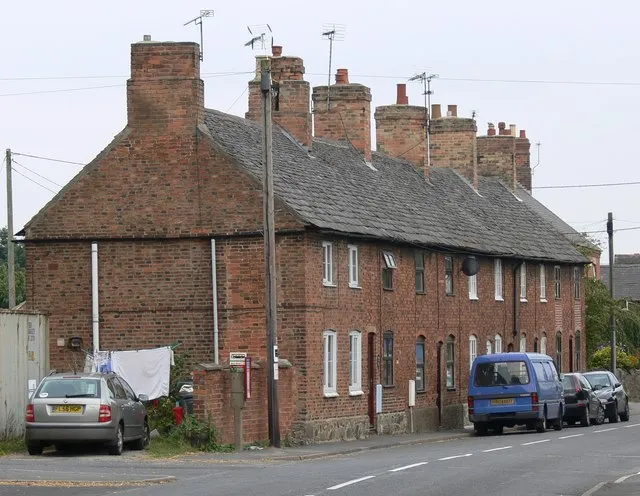
Photo: Mat Fascione, CC BY-SA 2.0, via Wikimedia Commons
Sharing a rubbish clearance sounds like the easiest thing in the world. One neighbour books a licensed crew, three or four houses put their old furniture and bin bags out on the same morning, and everyone splits the bill. On a terraced street in Enfield, with shared alleyways and tight parking, it can work brilliantly. It can also go wrong very quickly if nobody writes anything down.
The trick is to treat a group clearance as a small community project rather than a favour. You do not need a committee or a laminated binder. You do need one organiser, a clear list of what is going, an agreed way to split the cost, and paperwork for every household involved.
Start with a kitchen-table conversation
Before anyone rings a clearance company, get the households together, even if it is just a chat over the fence. Ask what each person actually wants rid of. A single sofa and three bags of clutter is a very different job from a shed clearance, a bathroom refit and a dead freezer. The crew needs to know the size and type of load before it quotes, and neighbours need to know whether they are sharing a small job or a large one.
It also helps to agree who is in charge. One person should be the point of contact for the clearance company. That avoids the classic situation where four people ring the same firm, get four different quotes, and nobody knows which one is live.
Agree what is going, and what is not
A shared clearance only stays friendly if the boundaries are clear. Put a simple list together: address, items, and whether anything needs dismantling. Mark anything that is definitely not going in the van. If one household is having a loft cleared, make sure nobody mistakes old paint tins, gas cylinders or asbestos-containing materials for ordinary rubbish. Licensed crews can advise on what they can and cannot take, but they need to be told in advance.
It is also worth checking the alleyway. On plenty of Enfield terraces, the rear access is narrower than people remember. A crew can usually work with it, but they need to know if they are carrying items down a long passage, up a flight of steps or through a shared gate that sticks. Small details like that affect how long the job takes and how the quote is built.
Split the cost before the van arrives
Fairness is easier when it is discussed early. An equal four-way split sounds neat until one household puts out a single chair and another fills half the van. A more sensible approach is to agree a share based on how much space each household is using, or to split the call-out and labour equally and add extra for oversized loads.
Whatever you choose, write it down in a message and get a quick reply from each household. A simple note such as 'four-way split of the quoted price, plus £30 each for the extra mattress' is enough. The point is not to be legalistic. It is to avoid someone feeling stitched up when the invoice lands.
Sort access, parking and the alleyway bottleneck
Parking is often the real test on Enfield streets. If the crew needs to park close to the property, check whether the road is in a controlled parking zone and whether a bay needs to be reserved. On some streets, a van can stop safely outside for a short loading window. On others, a neighbour's car in the wrong place can turn a simple pickup into a long carry.
Ask everyone to move bins, plant pots and anything else blocking the shared alleyway before the crew arrives. If the job is starting early, agree who will open the gate and who has the key. Do not assume the crew can access four back gardens without someone coordinating it. One clear route in and out is much quicker than four separate explanations.
Keep duty-of-care paperwork for every household
This is the part people skip, and it is the part that matters most. When a licensed waste carrier takes rubbish away, the householder has a duty of care to make sure it is disposed of properly. A reputable clearance company will provide a waste transfer note or receipt showing the carrier's details, the date, and the type of waste collected.
For a shared job, each household should keep its own record. That might mean one transfer note for the whole clearance with a schedule listing each address and the items collected, plus a copy for every neighbour. It is not red tape for the sake of it. If anyone later needs to prove their old sofa went to a licensed facility rather than the verge at the end of the road, that paperwork is the answer.
It is also sensible to check the carrier's registration with the Environment Agency before booking. A legitimate firm will not mind being asked. A cheap operator who dodges the question is not a bargain.
A day-of plan that avoids pointing fingers
On the morning, put everything in the agreed collection point, not scattered across four gardens. Label anything that could be confused. Keep pets and children away from the loading area. If the crew gives a time window, treat it as a window, not a promise carved in stone. Traffic and weather can shift things.
One neighbour should be available to answer questions, but nobody needs to stand over the crew for hours. A quick check at the start and a quick check at the end is usually enough. Count the large items, confirm the paperwork, and make sure the alleyway is left clear.
The classic pitfalls
Most shared clearances go wrong for predictable reasons. Someone adds extra rubbish at the last minute. Someone assumes a fridge freezer is included when it was not mentioned. Someone pays the organiser in cash and never sees a receipt. Someone blocks the alleyway with a wheelie bin and the crew has to carry everything an extra twenty metres.
All of these are avoidable with a short message thread and a five-minute conversation. The aim is not to turn neighbours into contracts. It is to make the job clear enough that everyone can go back to being neighbours afterwards.
A shared clearance can be a genuinely good deal on an Enfield terrace: fewer van journeys, one licensed crew, and a tidy street at the end of it. Just agree the practical bits first, keep the paperwork, and leave the alleyway wide enough for a sofa to get through.